Industrial facilities rely on automated systems to keep equipment running, maintain consistent processes, and reduce manual intervention. Behind many of these systems is a programmable logic controller (PLC), an industrial computer that monitors equipment and controls automated operations.
But the PLC hardware alone doesn’t determine how equipment operates. Its programming defines what actions happen, when they happen, and which conditions must be met.
Understanding PLC programming helps plant managers, maintenance teams, and engineers identify opportunities to improve equipment reliability, troubleshoot recurring problems, and adapt systems as production requirements change.
Understanding PLC Programming
PLC programming is the process of developing instructions that tell a programmable logic controller how to monitor inputs, evaluate operating conditions, and control industrial equipment.
These instructions, commonly called control logic, determine how machinery responds to signals from sensors, switches, instruments, and other devices.
For example, a PLC might control a pump based on tank levels, regulate conveyor operation, or coordinate multiple machines along a production line.
Unlike traditional hardwired relay systems, PLC programs can be modified as equipment and operational requirements evolve.
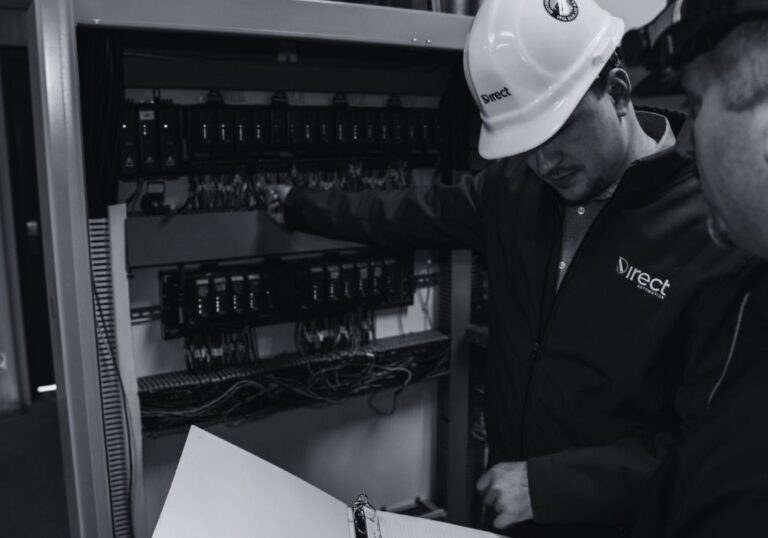
How PLCs Turn Signals Into Actions
Most PLC-controlled processes follow a continuous cycle of reading inputs, executing programmed instructions, and updating outputs.
1. Reading Inputs
PLCs receive information from connected devices, including temperature sensors, pressure transmitters, proximity switches, flow meters, and operator controls.
These signals tell the controller what’s happening throughout the process.
2. Processing Control Logic
The PLC evaluates incoming information against its programmed instructions.
For example, a conveyor might start only when equipment is ready, required permissives are satisfied, and no applicable fault conditions are present.
Control logic also manages timers, counters, equipment sequences, and process calculations.
3. Controlling Outputs
Based on programmed conditions, the PLC sends commands to connected equipment.
Outputs might control motor starters, valves, variable frequency drives, alarms, or other industrial devices.
This cycle repeats continuously, allowing equipment to respond to changing conditions.
Common PLC Programming Languages
Different applications and controller platforms support different programming approaches.
Three commonly used languages include:
Ladder Logic (LD): A graphical language resembling electrical relay diagrams, commonly used for equipment control, permissives, and troubleshooting.
Function Block Diagram (FBD): A graphical approach connecting functional blocks to represent calculations, control functions, and process relationships.
Structured Text (ST): A text-based language suited to calculations, conditional logic, and complex data operations.
These languages are defined within the IEC 61131-3 programming standard, although available features vary by platform.
Choosing the appropriate language depends on application requirements, system complexity, and long-term maintainability.
PLC Programming Across Industrial Operations
PLC programming supports industrial applications ranging from individual machines to coordinated production systems.
Common examples include:
Manufacturing: Conveyors, packaging equipment, assembly processes, and automated machinery.
Ethanol and biofuels: Pumps, valves, process sequences, and operating conditions.
Water and wastewater: Pump stations, treatment processes, and automated equipment sequences.
Energy and utilities: Equipment monitoring and industrial process control.
Food and beverage: Production equipment, material handling, and processing sequences.
In larger facilities, PLCs often communicate with supervisory systems that provide operators with equipment status, alarms, and process information.
Direct Automation’s SCADA integration and HMI development services help connect control systems with the interfaces operators use to monitor operations.
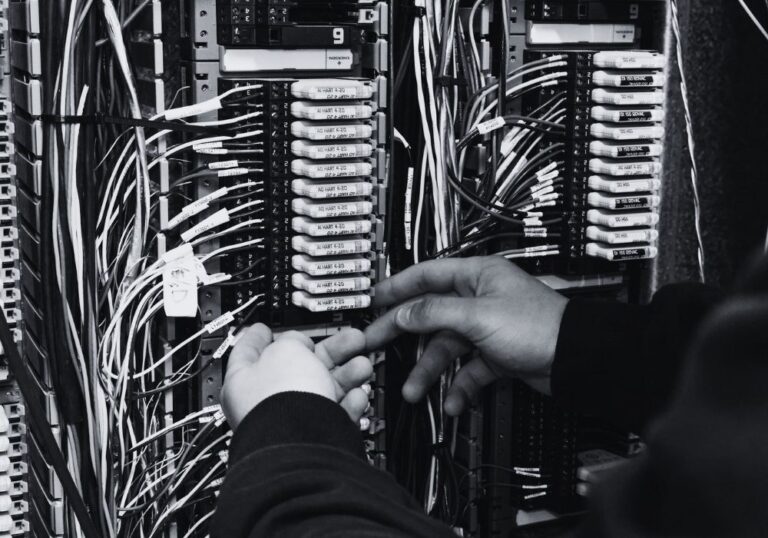
Four Reasons to Update Existing PLC Logic
PLC programs can operate successfully for years, but equipment changes, recurring problems, and evolving production requirements may indicate that existing control logic needs attention.
1. Recurring Equipment Faults
Frequent alarms, inconsistent sequences, or unexpected equipment behavior can indicate problems involving control logic, instrumentation, or communications.
Engineers should identify the underlying cause before making programming changes.
2. Equipment Additions or Modifications
Installing new drives, sensors, machines, or production equipment may require changes to PLC inputs, outputs, communications, and control sequences.
Without proper integration, these modifications can create unexpected equipment interactions or operational problems.
3. Changing Production Requirements
New operating procedures, production targets, or process improvements may require programming adjustments.
Updating existing logic can sometimes accommodate these changes without replacing the entire control system.
4. Aging or Unsupported Controllers
Older PLC platforms can become difficult to maintain when replacement parts, software, or technical support are limited.
In these situations, control system modernization may provide a more sustainable solution than continuing to modify aging equipment.
What Makes PLC Programming Reliable?
Effective PLC programming involves more than making equipment perform the required sequence.
Programs should be understandable, maintainable, and thoroughly tested.
Important considerations include documented control logic, consistent naming conventions, appropriate fault handling, reliable backups, and clear equipment operating states.
Interlocks and permissives should reflect operational requirements, while required safety functions must be handled through appropriately designed and validated safety systems.
Programming changes should also be tested before deployment to reduce the risk of unintended equipment behavior.
For complex installations, control system integration and engineering helps coordinate PLC programming with instrumentation, communications, operator interfaces, and commissioning.
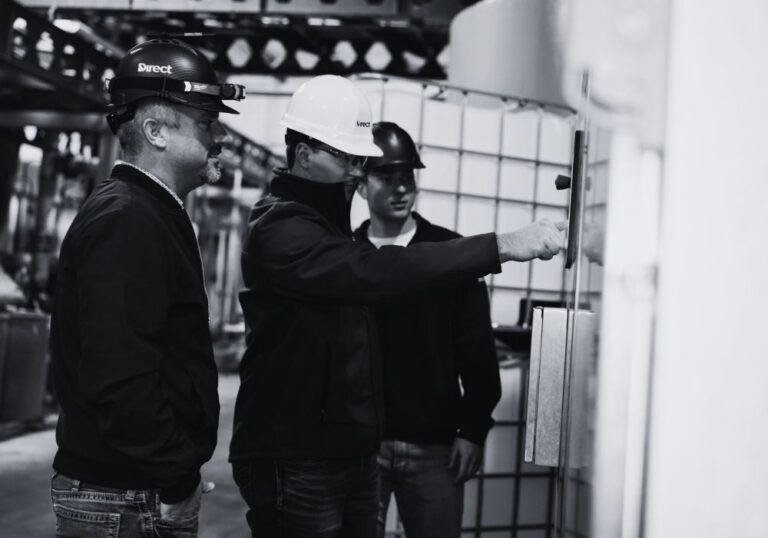
When to Work With a PLC Programming Specialist
Not every equipment problem requires replacing a controller or rebuilding an entire automation system.
Sometimes the solution involves correcting existing logic, improving fault handling, or updating programming to accommodate new equipment.
However, recurring faults, undocumented programs, complex equipment integrations, and aging controllers can make troubleshooting difficult for internal maintenance teams.
A qualified controls engineer can evaluate existing programming, identify potential issues, and determine whether targeted updates or broader improvements are appropriate.
Direct Automation’s PLC programming services support troubleshooting, programming modifications, equipment integration, testing, and commissioning for new and existing control systems.
For broader performance challenges, our article on SCADA and DCS process control optimization provides additional insight into evaluating industrial control systems.
Supporting Reliable Industrial Operations
PLC programming plays an essential role in how industrial equipment operates and responds to changing conditions.
Well-structured programming supports reliable operation, simplifies troubleshooting, and provides a foundation for future improvements.
At Direct Automation, our engineers help industrial facilities troubleshoot control problems, update existing PLC programs, integrate new equipment, and modernize aging systems.
Experiencing recurring equipment issues or planning a PLC programming project?
Explore our PLC programming services or connect with our engineers to discuss your equipment, operational challenges, and project requirements.