 Start Your Project
 Call Us Today


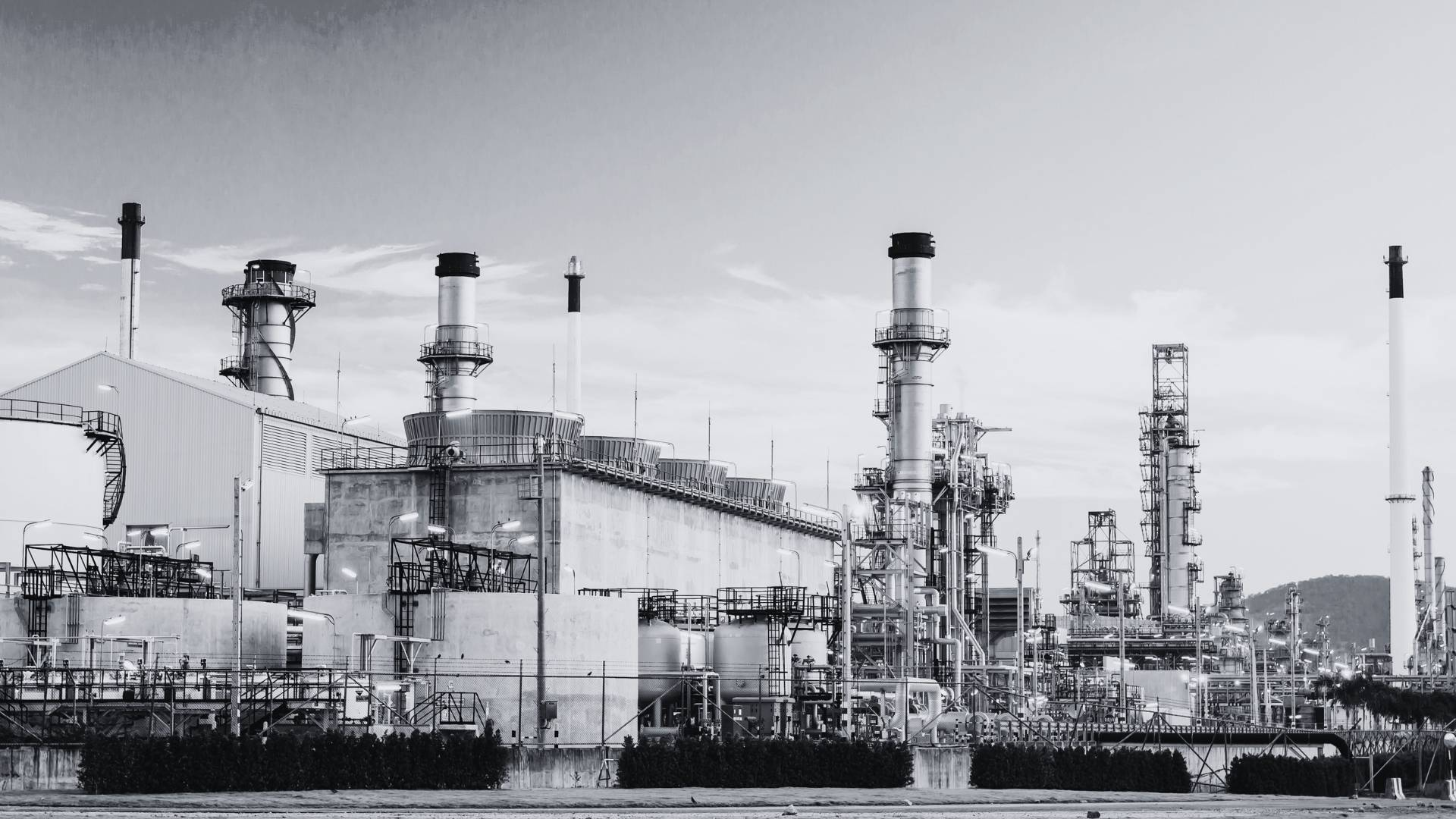
Industrial plants are rapidly modernizing their operations, adopting new automation platforms, real-time data systems, and advanced control strategies to stay competitive. As facilities increase connectivity through SCADA networks, IIoT devices, cloud analytics, and centralized data platforms, their risk profile is shifting quickly. Production systems that once operated in isolation are now connected to plant networks, corporate IT environments, and remote-access channels.
This creates major opportunities for efficiency, but it also exposes plants to cybersecurity threats that didn’t exist a decade ago. That’s why more organizations are turning to integrated automation and IT/OT cybersecurity services to protect their processes, improve safety, and maintain uptime.
Automation and Cybersecurity Can’t Operate in Silos Anymore
Traditionally, operational technology teams managed the plant floor such as PLCs, HMIs, DCS systems, instrumentation, and controls. IT teams managed the business network. Each operated independently with minimal overlap.
That separation is gone.
- SCADA systems now communicate with enterprise networks
- Engineers rely on cloud platforms for real-time visibility
- Remote support requires secure external access
- IIoT devices stream live operational data
- Vendors need controlled access for updates and diagnostics
In today’s connected environment, automation and cybersecurity can’t be handled separately. When they are, vulnerabilities slip through the cracks and attackers take advantage of them.
Operational Risks Are Growing
Industrial cyber incidents have increased sharply in recent years. Modern threats specifically target OT environments and take advantage of weaknesses like:
- Outdated or unsupported PLCs
- Poor network segmentation
- Unpatched engineering workstations
- Exposed remote-access ports
- Misconfigured SCADA servers
A single incident can halt production, damage equipment, compromise safety systems, or shut down an entire facility. Integrated cybersecurity protects the systems plants rely on every day.
Why Plants Are Choosing Integrated Automation + IT/OT Security
1. A Unified View of the Entire Operational Ecosystem
Integrated teams provide complete visibility across IT and OT. This includes:
- Control systems
- Network communication paths
- SCADA and historian servers
- IIoT devices
- Remote-access routes
- Data flow across the plant
A unified view makes it easier to assess risks, streamline maintenance, and plan long-term improvements.
2. Reduced Downtime and More Reliable Production
Cybersecurity isn’t just about blocking threats. It’s about keeping production running. An integrated strategy ensures that:
- Security tools don’t interrupt automation traffic
- Firewalls are configured with control systems in mind
- Patch cycles align with production schedules
- Vulnerability remediation doesn’t cause unnecessary downtime
When automation and cybersecurity work together, plants gain stability and resilience.
3. Stronger Industrial Network Architecture
Modern plants depend on segmented, well-designed networks to protect both IT and OT environments. Integrated teams can build:
- Proper VLAN segmentation
- DMZs for data sharing
- Secure vendor-access tunnels
- Hardened SCADA and control networks
- Unified identity and access control
- Continuous network monitoring
This level of architecture requires combined cybersecurity and automation expertise.
4. Secure SCADA, PLC, and DCS Modernization
When outdated systems are upgraded, cybersecurity has to be part of the process from day one. Integrated modernization includes:
- Secure firmware and patching plans
- Hardened controller settings
- Encrypted communication channels
- Safe remote-access solutions for OEMs
- Role-based user access across systems
This creates modern, efficient systems that stay secure long-term.
5. Compliance and Audit Readiness
Many industries are facing stricter compliance requirements. Integrated IT/OT programs help plants prepare for frameworks like:
- NIST
- ISA/IEC 62443
- Critical infrastructure security standards
- Vendor and customer cybersecurity requirements
A joint team ensures security practices meet compliance standards without disrupting operations.
How Direct Companies Supports Integrated Automation + Cybersecurity
Direct Companies brings automation engineering and IT/OT cybersecurity together under one roof. Our teams collaborate to build secure, unified, and high-performing operational ecosystems.
Our integrated services include:
- Secure SCADA, PLC, and DCS configuration
- OT network design and segmentation
- 24/7 monitoring and threat detection
- IIoT and edge device security
- Secure vendor-access solutions
- Industrial asset inventory and vulnerability management
- System hardening and patch planning
- Managed cybersecurity programs tailored for industrial plants
This model supports every stage of your automation environment, from design and deployment to active protection and long-term reliability.
The Future of Industrial Operations Is Connected and Secure
As plants continue adopting advanced automation strategies, integrated cybersecurity isn’t optional anymore. Gains in efficiency, throughput, and visibility depend on systems that are secure and resilient.
Forward-thinking organizations are moving toward unified IT/OT models because separate teams and siloed strategies can’t support today’s connected environments. When automation and cybersecurity work as one, plants gain stability, confidence, and a clear competitive advantage.